
Freelancers, remote workers, and side hustlers know this story too well — one month, your bank account looks healthy. Next, you’re stretching every Naira or Dollar and wondering when the next payment will land.
When your income doesn’t follow a predictable pattern, budgeting feels almost impossible. But it isn’t. In fact, it’s even more important.
Here are simple, real-life tips to help you manage your money better when your income isn’t fixed.
- Know your baseline expenses
Start with your must-pay list — rent, feeding, power, internet, subscriptions, transport. Don’t guess. Track 2-3 months of your expenses and note the absolute minimum you need to survive each month.
This number is your “survival budget.” It helps you know the bare minimum you must earn or save for any month.
- Create a “bare vs. full” budget
Because your income varies, your budget should too.
Make two versions of your monthly budget:
- Bare budget: What you spend when income is low (survival mode).
- Full budget: What you spend when income is good (including savings, investment, fun).
This helps you adjust without guilt or confusion.
- Pay yourself a fixed income
When you earn big one month, avoid the trap of overspending. Instead, pretend you’re on a fixed salary.
Pick a realistic amount you can pay yourself monthly, based on your average income. Anything extra goes into a buffer account or emergency fund.
It’s a mindset shift, and it works.
- Track your cash flow weekly
Don’t wait till the end of the month.
Check in with your money once a week. Look at:
- What’s coming in (confirmed payments)
- What’s going out (expenses)
- What’s pending (unpaid invoices)
Use a simple spreadsheet, Notion, or an app like Gigbanc to stay on top of it
- Plan for lean months always
Freelancing and remote work have natural highs and lows. School holidays, festive seasons, or global trends can affect your earnings.
So, during high-earning months, save for low seasons. Aim to build at least 2–3 months of expenses in an emergency or buffer fund.
- Automate what you can
Even without a steady income, automation helps build habits.
If you use a financial app or digital wallet, automate small savings or investment amounts when income comes in, not at a fixed date. That way, you’re saving when you have, not when you don’t.
- Get clear on your income pattern
Look at your last 6–12 months of income:
- What’s your average monthly income?
- Are there predictable highs and lows?
Who are your most consistent-paying clients?
This helps you plan ahead instead of feeling caught off guard.
- Track unpaid invoices
Late payments mess up your cash flow.
Keep a simple log of who owes you, how much, and when it’s due. Follow up before due dates, not after. If you use platforms like Upwork or Payoneer, monitor payment timelines closely.
9. Avoid lifestyle creep
When a big payment lands, it’s tempting to upgrade everything — new phone, trips, or “little treats.”
Treat yourself, yes. But don’t reset your lifestyle every time your income increases. Focus on stability and long-term wins first.
10. Use tools that give you control
Not every app or platform is built with freelancers or remote workers in mind. Use tools that:
- Let you receive payments globally
- Help you track and manage funds in multiple currencies
- Charge low or no fees
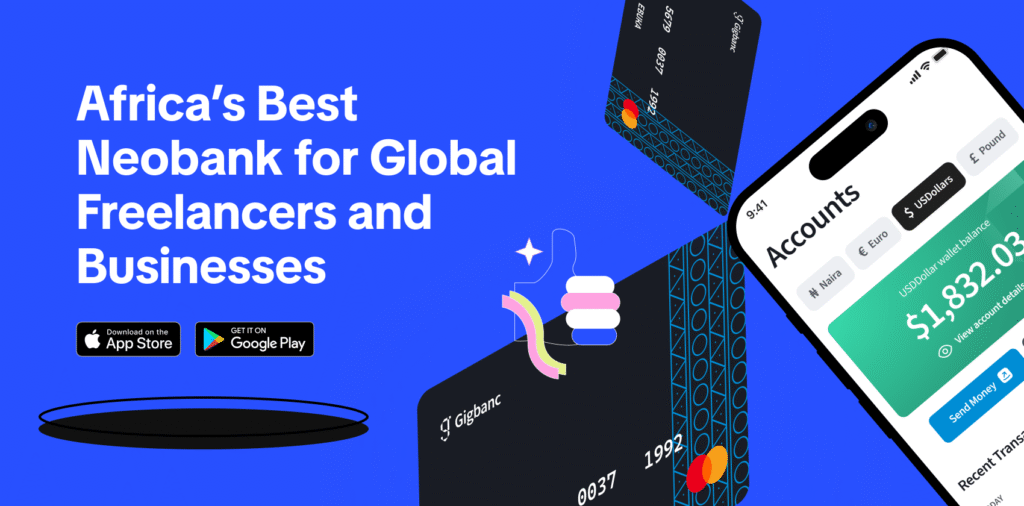
At Gigbanc, we built our product specifically for freelancers and remote workers navigating these exact challenges. Global payments, multi-currency accounts, virtual cards, and easy tracking all in one place.
In summary:
When your income isn’t steady, budgeting isn’t about perfection. It’s about control.
You may not always control how much you earn, but you can control how you plan, spend, and prepare.
And the more control you have, the more confident you feel, even in the lean months.
Would you add anything to this list?
I’d love to hear how you’re managing cash flow as a freelancer or remote worker. Drop your thoughts in the comments.
PS: If you’re tired of late payments, blocked cards, or no access to global tools, check out Gigbanc. We’re building financial tools that work for you, not against you.